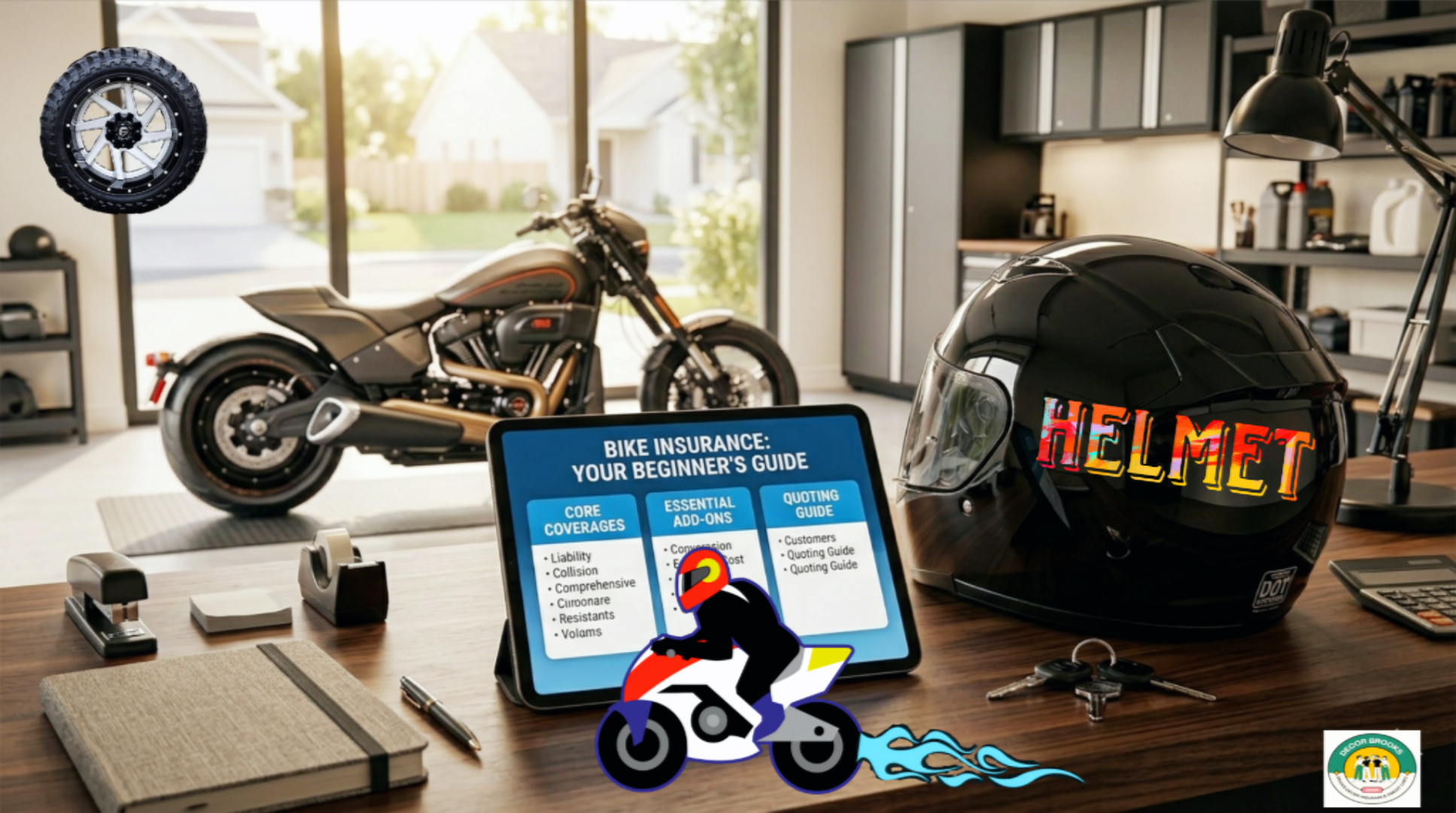
Choosing your first motorcycle best insurance policy in the United States can feel overwhelming. With so many technical terms like deductibles, premiums, and liability limits, it is easy to make a mistake that could either cost you thousands of dollars out of pocket or leave you paying too much for coverage you don’t actually need.
This beginner’s guide breaks down everything you need to know to confidently select the right policy for your ride, your budget, and your peace of mind.
1. Understand the 3 Core Types of Coverage
Before you start looking at quotes, you need to understand the structural building blocks of a motorcycle insurance policy. Most policies are a combination of three main coverage types:
- Liability Coverage (Mandatory in almost all states): This covers the cost of bodily injury or property damage that you cause to other people in an accident. It does not pay for your own injuries or damage to your bike.
- Collision Coverage (Optional): This pays to repair or replace your motorcycle if it is damaged in a crash with another vehicle, a guardrail, or a tree, regardless of who was at fault.
- Comprehensive Coverage (Optional): This protects your bike from non-collision risks. It covers theft, vandalism, fire, weather damage (like hail or floods), or hitting an animal (like a deer).
Note for Borrowers: If you financed or leased your motorcycle, your lender will almost certainly require you to carry Full Coverage (which means adding both Collision and Comprehensive to your mandatory Liability policy) until the loan is paid off.
2. Evaluate Essential Add-On Coverages
Standard policies leave out specific risks unique to motorcycle riding. Beginners should closely look at these common add-ons:
- Uninsured/Underinsured Motorist (UM/UIM) Coverage: Many drivers on US roads carry zero insurance or completely inadequate state-minimum limits. If an uninsured driver hits you, UM/UIM coverage steps in to pay for your medical bills and bike repairs.
- Medical Payments (MedPay): This covers necessary medical expenses for you and your passenger immediately following an accident, regardless of who caused it.
- Custom Parts and Equipment (CPE): Standard collision/comprehensive packages usually only cover factory-stock parts. If you add a custom exhaust, upgraded leather seats, or aftermarket saddlebags, you need CPE coverage to protect those investments.
3. Balance Premium vs. Deductible
Your premium is the recurring amount you pay (monthly or annually) to keep your insurance active. Your deductible is the amount of money you must pay out of pocket before the insurance company pays for a claim.
- The Golden Rule: Choosing a higher deductible (e.g., rising from $250 to $1,000) will immediately lower your monthly premium. However, you must ensure you actually keep that $1,000 saved in an emergency fund just in case you ever need to file a claim.
4. How to Shop and Get Quotes Like a Pro
To get the most accurate and affordable rate, gather your information and follow this checklist:
- Gather Documents: Have your Vehicle Identification Number (VIN), your driver’s license number, and any safety course completion certificates ready.
- Compare at Least 3 Carriers: Get online quotes from major motorcycle insurers (such as Progressive, Geico, and Allstate). Ensure you choose identical coverage limits on each site so you can make a fair price comparison.
- Ask About Discounts: Ensure you request discounts for completing a safety course, keeping the bike in a locked garage, or paying your annual policy completely upfront.