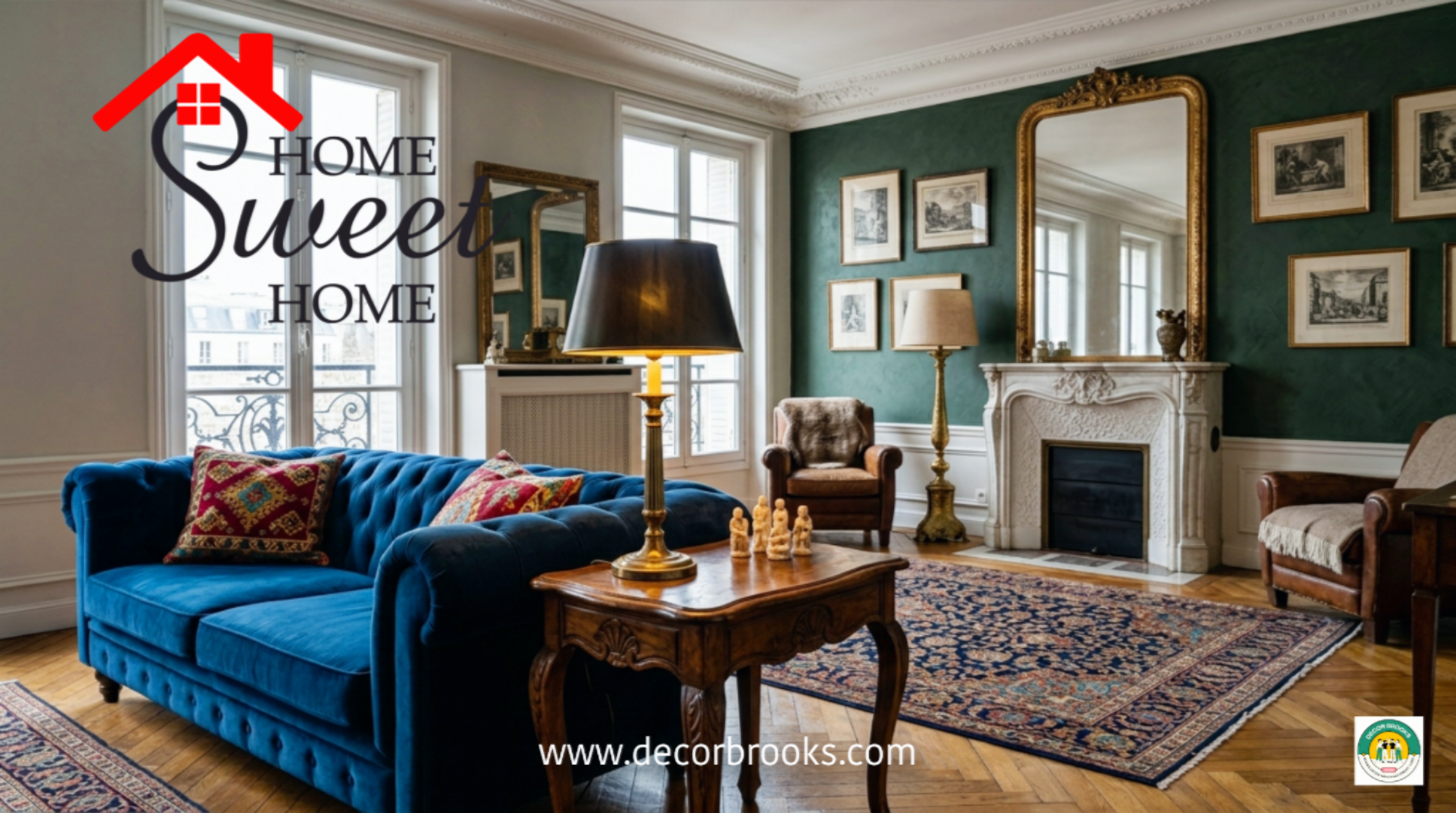
The landscape of interior design is shifting away from flat, cookie-cutter layouts toward environments that prioritize tactile depth, spatial personality, and fluid architectural structures. In 2026, creating a beautifully designed home is no longer about adhering to rigid, monochromatic rules. Instead, it is about masterfully blending diverse textures, curated historical elements, and smart layouts to cultivate a space that feels both highly elevated and deeply restorative.
Whether you are completely remodeling or executing a weekend room refresh for decorbrooks.com, these are the new definitive rules of interior design, decorating styles, and structural layouts setting trends this year.
1. The Design Styles Redefining Modern Homes
Warm Organic Modernism
Sterile minimalism has official left the chat. The new foundation for contemporary spaces is Warm Organic Modernism. This style retains the clean, clutter-free discipline of traditional minimalism but replaces cold whites and stark grays with a rich, earth-drawn palette. Think billowy off-whites, soft terracottas, warm ochres, and deep espresso tones. Surfaces embrace tactile roughness over high-gloss finishes, relying heavily on unpolished travertine, raw limestone, fluted timber, and textured linen plaster walls.
Modern Heritage (The Eclectic Edit)
A highly sophisticated alternative to matching showroom sets, the Modern Heritage style blends sleek contemporary elements with storied vintage design. The rule here is intentional contrast: placing a modern, low-profile track sofa against a backdrop of historic crown molding, or pairing a polished steel dining table with thrifted mid-century wooden chairs. This creates a deeply curated, layered aesthetic that looks collected over a lifetime rather than purchased all at once.
2. The Trendsetting Room Layouts of 2026
The way we utilize domestic space has fundamentally changed, causing a major shift in structural furniture arrangements.
Fluid Lounge Formations (The Curved Living Room)
The traditional living room layout—consisting of a boxy sectional pushed flat against a wall facing a monolithic television—is being replaced by Fluid Lounge Formations. Driven by the massive popularity of biomorphic, enveloping furniture silhouettes, sofas and accent chairs are now floating away from walls. Curved, conversational seating arrangements wrap around organic pebble-shaped coffee tables, transforming the living room into an intimate social hub focused on human interaction.
The “Industrial-Organic” Kitchen Zone
Kitchen layouts are leaning into a highly efficient, commercial-grade culinary aesthetic softened by natural warmth. The standard, single-material kitchen island has evolved into a dual-zone powerhouse. One side features professional-grade brushed stainless steel countertops for food preparation, while the dining and seating extension is built from rich, texturized wood slabs or fluted oak bases to anchor the room’s comfort.
Monochromatic “Color Drenched” Sanctuaries
In private areas like bedrooms, home offices, and powder rooms, traditional layout borders are being blurred using a technique called Color Drenching. Instead of isolating a single accent wall, a single, deeply saturated hue—such as forest green, rich chocolate brown, or velvety indigo—is painted continuously across the walls, window trims, baseboards, and right up over the ceiling. This erases the visual boundaries of the room, creating a seamless, cocoon-like architectural sanctuary.
Side-by-Side Design Evolution Guide
To ensure your home remains ahead of the curve, review how classic design principles have evolved into the new rules:
| Traditional Design Rule | The New 2026 Interior Design Rule |
|---|---|
| Hyper-coordinated furniture sets | Curated juxtaposition (mixing eras, woods, and textures) |
| Strictly open-concept floor plans | “Broken-plan” layouts utilizing glass partitions and slatted wood baffles |
| Polished brass and high-shine metals | Cooler, textured metallics like brushed nickel and satin stainless steel |
| Recessed overhead can lighting | Sculptural statement lighting layered with portable, warm ambient lamps |
The Golden Rule: Design for the Senses
The ultimate takeaway: The fundamental shift this year is moving from spaces designed just to be looked at on a screen, to spaces designed to be lived in. True luxury is defined by spatial breathing room, acoustic comfort, and touchable surfaces. Prioritize scale and physical texture over decorative clutter, and allow your layout to guide human connection and relaxation.